

 |
Scientifically known as Panthera uncia, Snow leopards are rare, gorgeous gray cats who reside in the cold, treacherous mountains of Central Asia. They are so rare and elusive in fact that they are commonly referred to as "ghosts of the mountains". With bodies beautifully designed to combat the fierce mountain chill, they are insulated by thick smoky, spotted fur and their massive, insulated paws act as natural snowshoes. If spotted, snow leopards are most likely to inhabit high rocky mountainsides, alpine meadows, and high altitude forests.
Snow leopards are expert mountaineers and ideal for their cold, harsh environment for many reasons. First, they have short front limbs and powerful hind leg muscles that can leap as far as 30 feet in the snow. Built with especially sturdy chest muscles, snow leopards have the ability to maintain stamina when climbing steep mountainsides. They also utilize their long, thick, bushy tails for balance and warmth.

Snow Leopards are opportunistic hunters but they prey mainly on blue sheep and the mountain ibex. One average, snow leopards are 4-5 feet in length and weigh 60-120 pounds. Astoundingly, they can kill prey three times their size!
BEHAVIOR:
Snow leopards are vey shy creatures who live primarily in solitude. Scientists have found that the best methods for observing this species is through camera traps and natural markings. Dawn and dusk are the best times to spot a snow leopard. Female snow leopards are able to give birth at around 2-4 years in age with gestation periods lasting from 90-110 days. They usually mother 2-3 cubs at a time who remain dependent for 1.5-2 years before becoming independent. Snow leopard’s natural lifespan ranges from 18-20 years.
* GREAT VIDEO CAPTURING THE BEAUTY OF THE SNOW LEOPARD


Snow Leopards are typically found at altitudes between 9,800 and 17,000 feet in the high, dry, rugged mountains of Central Asia. Snow Leopards are known to have populations in the following countries: Afghanistan, Mongolia, Nepal, Pakistan, areas of Russia, Tajikistan, and Uzbekistan. China contains roughly 60% of snow leopard habitat and scientists estimate that there are only 3,500-4,000 snow leopards remaining in the wild with 700 in captivity.
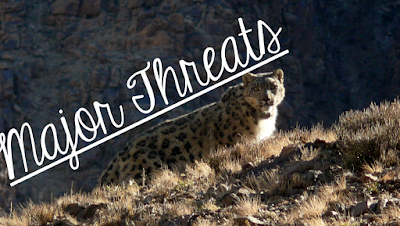
There are four major threats to the remaining snow leopard population:
CLICK TO SEE FASCINATING VIDEO ABOUT SNOW LEOPARD POACHING

WHY ARE SNOW LEOPARDS IMPORTANT?
The snow leopard is a cultural and economic symbol of healthy high-mountain ecosystems.They have a lot of instrumental value and contribute to human wellbeing by providing biodiversity and cultural significance. Snow leopards are an important cultural and spiritual symbol in Central and South Asia. In addition, the species promotes recreation and tourism to aid economic growth.
Snow leopards were declared endangered by the United States Fish & Wildlife Service in 1972 and was placed on the International Union Conservation of Nature Red List in 1986.The Global Snow Leopard and Ecosystem Protection Program (GSLEP) seeks to conserve snow leopards and their high-mountain ecosystems.
One of the primary goals of the GLSEP is identify and secure at least 20 healthy populations of wild snow leopards by 2020. In order to do that, there are 7 main commitments that all 12 countries that contain snow leopard populations must take in order to achieve the ultimate goal of ensuring that snow leopards and the people who live among them contribute to the prosperity and well-being of communities and the planet.
The 7 general steps to recovery according to the GLSEP are as follows:
1. Engaging local communities in conservation.
2. Managing habitats and prey of snow leopards via close monitoring. This includes evaluation of specific range areas of populations.
3. Combating poaching and illegal trade of snow leopards.
4. International management of snow leopards and enforcement of that management through industries.
5. Continued research of snow leopards.
6. Enhancing conservation policies and institutions.
7. SPREADING AWARENESS of the snow leopard.
What Can You Do?
DONATE to the Snow Leopard Trust!
HERE is the link to the website. through the Snow Leopard Trust, you can also symbolically adopt a snow leopard! The money donated through this fund is used to exclusively support projects on Snow Leopard conservation in 5 of the 12 countries where snow leopards are found.


1. Snow leopards are actually not aggressive towards humans. There has never been a documented report of a snow leopard attack. Due to their shy nature, snow leopards are more likely to flee a threatening situation rather than acting in aggression.
2. Snow leopards do not have the ability to roar as a result of the structure of their vocal chords.
3. CUTE SNOW LEOPARD'S BFF VIDEO
4. Scientists still know little information about the snow leopard because they are so elusive.
5. Unlike other big cats, snow leopards have light eyes ranging from pale green to icy blue.
THANKS FOR READING!
WORKS CITED:
1. Global. SNOW LEOPARD ECOSYSTEM (n.d.): n. pag. Global Snow Leopard and Ecosystem Protection Program Conference Document for Endorsement. Web.
2. "Saving Snow Leopards Since 1981." Snow Leopard Trust. N.p., n.d. Web. 04 Dec. 2015.
3. "Species Profile for Snow Leopard (Uncia (=Panthera) Uncia)." Species Profile for Snow Leopard (Uncia (=Panthera) Uncia). U.S Fish & Wildlife Service, n.d. Web. 04 Dec. 2015.
4."Snow Leopard." WorldWildlife.org. World Wildlife Fund, n.d. Web. 04 Dec. 2015.
5. "Basic Facts About Snow Leopards." Defenders of Wildlife. N.p., 08 Apr. 2012. Web. 04 Dec. 2015.
Photos:
1. http://www.webmastergrade.com/wp-content/uploads/2009/11/Snow-Leopard.jpg
2. https://s-media-cache-ak0.pinimg.com/236x/59/07/ab/5907abdd36ef6f1143106184d6f72e10.jpg
3. http://www.celsias.com/media/uploads/admin/Jason_Brown2.jpg
4. http://ihdwallpapers.com/wallpapers/2012/05/24/amazing_snow_leopard-640x960.jpg
5. http://applespecialist.com/images/SnowLeopardTrust.jpg
6. url
7. http://cache1.asset-cache.net/gc/88550365-moon-over-snowy-mountains-gettyimages.jpg?v=1&c=IWSAsset&k=2&d=Vt7t2ZA%2F8dUzyLaJgBMQBdvumzy9DUnXkmQPQuXwipU%3D
8. http://www.snowleopard.org/wp-content/uploads/2013/02/P1120807.jpg
9.http://media2.popsugar-assets.com/files/2010/06/23/5/192/1922243/snow_leopard_08_wenn2881763/i/Pictures-Baby-Snow-Leopards.jpg
10. https://c2.staticflickr.com/8/7029/6608415317_bbb47cf907_b.jpg
11.http://www.snowleopard.org/wp-content/uploads/2012/03/Snow-Leopard-Range-Map-GSLEP.jpg
Snow leopards are expert mountaineers and ideal for their cold, harsh environment for many reasons. First, they have short front limbs and powerful hind leg muscles that can leap as far as 30 feet in the snow. Built with especially sturdy chest muscles, snow leopards have the ability to maintain stamina when climbing steep mountainsides. They also utilize their long, thick, bushy tails for balance and warmth.

Snow Leopards are opportunistic hunters but they prey mainly on blue sheep and the mountain ibex. One average, snow leopards are 4-5 feet in length and weigh 60-120 pounds. Astoundingly, they can kill prey three times their size!
BEHAVIOR:
Snow leopards are vey shy creatures who live primarily in solitude. Scientists have found that the best methods for observing this species is through camera traps and natural markings. Dawn and dusk are the best times to spot a snow leopard. Female snow leopards are able to give birth at around 2-4 years in age with gestation periods lasting from 90-110 days. They usually mother 2-3 cubs at a time who remain dependent for 1.5-2 years before becoming independent. Snow leopard’s natural lifespan ranges from 18-20 years.
* GREAT VIDEO CAPTURING THE BEAUTY OF THE SNOW LEOPARD


Snow Leopards are typically found at altitudes between 9,800 and 17,000 feet in the high, dry, rugged mountains of Central Asia. Snow Leopards are known to have populations in the following countries: Afghanistan, Mongolia, Nepal, Pakistan, areas of Russia, Tajikistan, and Uzbekistan. China contains roughly 60% of snow leopard habitat and scientists estimate that there are only 3,500-4,000 snow leopards remaining in the wild with 700 in captivity.


There are four major threats to the remaining snow leopard population:
1. Poaching
Poaching has always been a problem with snow leopards due to their silky soft thick pelts. Snow leopard's limbs, organs and bones are also treasured in traditional Asian medicine. In addition, many of the geographic areas that snow leopards are found are also abundant with poverty and low-income families. The pelt of a snow leopard is highly valuable and worth large sums of money. For a poor desperate farmer, the skin of a snow leopard could easily propel him or her to wealth. With low levels of economic prosperity in the central Asian region, some hotels go as far as selling snow leopard pelts to tourists.CLICK TO SEE FASCINATING VIDEO ABOUT SNOW LEOPARD POACHING
2. Conflict with communities
Local farmers and herders kill snow leopards in retaliation to them eating livestock. As a result of habitat loss, climate change, and a decline in the availability of natural prey, hungry leopards are forced to prey on the livestock of farmers.
3. Habitat destruction, degradation and fragmentation
Snow leopards need large amounts of space to be at optimal fitness. Expanding human and livestock populations are rapidly encroaching on the habitats of snow leopards. Although human population density in the snow leopard’s habitat is relatively low, people whose livelihoods depend on their livestock heavily utilize it. Combined with a high demand for goods such as cashmere, herds have increased in size and overgrazing has become a serious issue. New roads and mines are also fragmenting snow leopard habitat.
4. Climate change
Due to the fact that climate change causes temperatures to gradually increase, snow lines recede on the mountain ranges. As snow leopards move to higher elevations in search of prey, the vegetation becomes scarcer, which means that prey becomes limited and the leopards struggle to find sustainability
WHY ARE SNOW LEOPARDS IMPORTANT?
The snow leopard is a cultural and economic symbol of healthy high-mountain ecosystems.They have a lot of instrumental value and contribute to human wellbeing by providing biodiversity and cultural significance. Snow leopards are an important cultural and spiritual symbol in Central and South Asia. In addition, the species promotes recreation and tourism to aid economic growth.
Snow leopards were declared endangered by the United States Fish & Wildlife Service in 1972 and was placed on the International Union Conservation of Nature Red List in 1986.The Global Snow Leopard and Ecosystem Protection Program (GSLEP) seeks to conserve snow leopards and their high-mountain ecosystems.
One of the primary goals of the GLSEP is identify and secure at least 20 healthy populations of wild snow leopards by 2020. In order to do that, there are 7 main commitments that all 12 countries that contain snow leopard populations must take in order to achieve the ultimate goal of ensuring that snow leopards and the people who live among them contribute to the prosperity and well-being of communities and the planet.
The 7 general steps to recovery according to the GLSEP are as follows:
1. Engaging local communities in conservation.
2. Managing habitats and prey of snow leopards via close monitoring. This includes evaluation of specific range areas of populations.
3. Combating poaching and illegal trade of snow leopards.
4. International management of snow leopards and enforcement of that management through industries.
5. Continued research of snow leopards.
6. Enhancing conservation policies and institutions.
7. SPREADING AWARENESS of the snow leopard.
What Can You Do?
DONATE to the Snow Leopard Trust!
HERE is the link to the website. through the Snow Leopard Trust, you can also symbolically adopt a snow leopard! The money donated through this fund is used to exclusively support projects on Snow Leopard conservation in 5 of the 12 countries where snow leopards are found.


1. Snow leopards are actually not aggressive towards humans. There has never been a documented report of a snow leopard attack. Due to their shy nature, snow leopards are more likely to flee a threatening situation rather than acting in aggression.
2. Snow leopards do not have the ability to roar as a result of the structure of their vocal chords.
3. CUTE SNOW LEOPARD'S BFF VIDEO
4. Scientists still know little information about the snow leopard because they are so elusive.
5. Unlike other big cats, snow leopards have light eyes ranging from pale green to icy blue.
THANKS FOR READING!
WORKS CITED:
1. Global. SNOW LEOPARD ECOSYSTEM (n.d.): n. pag. Global Snow Leopard and Ecosystem Protection Program Conference Document for Endorsement. Web.
2. "Saving Snow Leopards Since 1981." Snow Leopard Trust. N.p., n.d. Web. 04 Dec. 2015.
3. "Species Profile for Snow Leopard (Uncia (=Panthera) Uncia)." Species Profile for Snow Leopard (Uncia (=Panthera) Uncia). U.S Fish & Wildlife Service, n.d. Web. 04 Dec. 2015.
4."Snow Leopard." WorldWildlife.org. World Wildlife Fund, n.d. Web. 04 Dec. 2015.
5. "Basic Facts About Snow Leopards." Defenders of Wildlife. N.p., 08 Apr. 2012. Web. 04 Dec. 2015.
Photos:
1. http://www.webmastergrade.com/wp-content/uploads/2009/11/Snow-Leopard.jpg
2. https://s-media-cache-ak0.pinimg.com/236x/59/07/ab/5907abdd36ef6f1143106184d6f72e10.jpg
3. http://www.celsias.com/media/uploads/admin/Jason_Brown2.jpg
4. http://ihdwallpapers.com/wallpapers/2012/05/24/amazing_snow_leopard-640x960.jpg
5. http://applespecialist.com/images/SnowLeopardTrust.jpg
6. url
7. http://cache1.asset-cache.net/gc/88550365-moon-over-snowy-mountains-gettyimages.jpg?v=1&c=IWSAsset&k=2&d=Vt7t2ZA%2F8dUzyLaJgBMQBdvumzy9DUnXkmQPQuXwipU%3D
8. http://www.snowleopard.org/wp-content/uploads/2013/02/P1120807.jpg
9.http://media2.popsugar-assets.com/files/2010/06/23/5/192/1922243/snow_leopard_08_wenn2881763/i/Pictures-Baby-Snow-Leopards.jpg
10. https://c2.staticflickr.com/8/7029/6608415317_bbb47cf907_b.jpg
11.http://www.snowleopard.org/wp-content/uploads/2012/03/Snow-Leopard-Range-Map-GSLEP.jpg


